Experienced Plaster Services for Flawless Finishes
Expert plaster finishing is important for creating premium-quality surfaces in both commercial and residential settings. Talented specialists maintain the skills and resources to assure surfaces are smooth, durable, and visually appealing. Property owners frequently dismiss the importance of quality plastering on property value and energy efficiency. Grasping the intricacies of this trade can lead to better choices. Yet, numerous individuals still encounter standard problems that might harm their improvement projects. Which aspects should someone think about when pursuing such services?
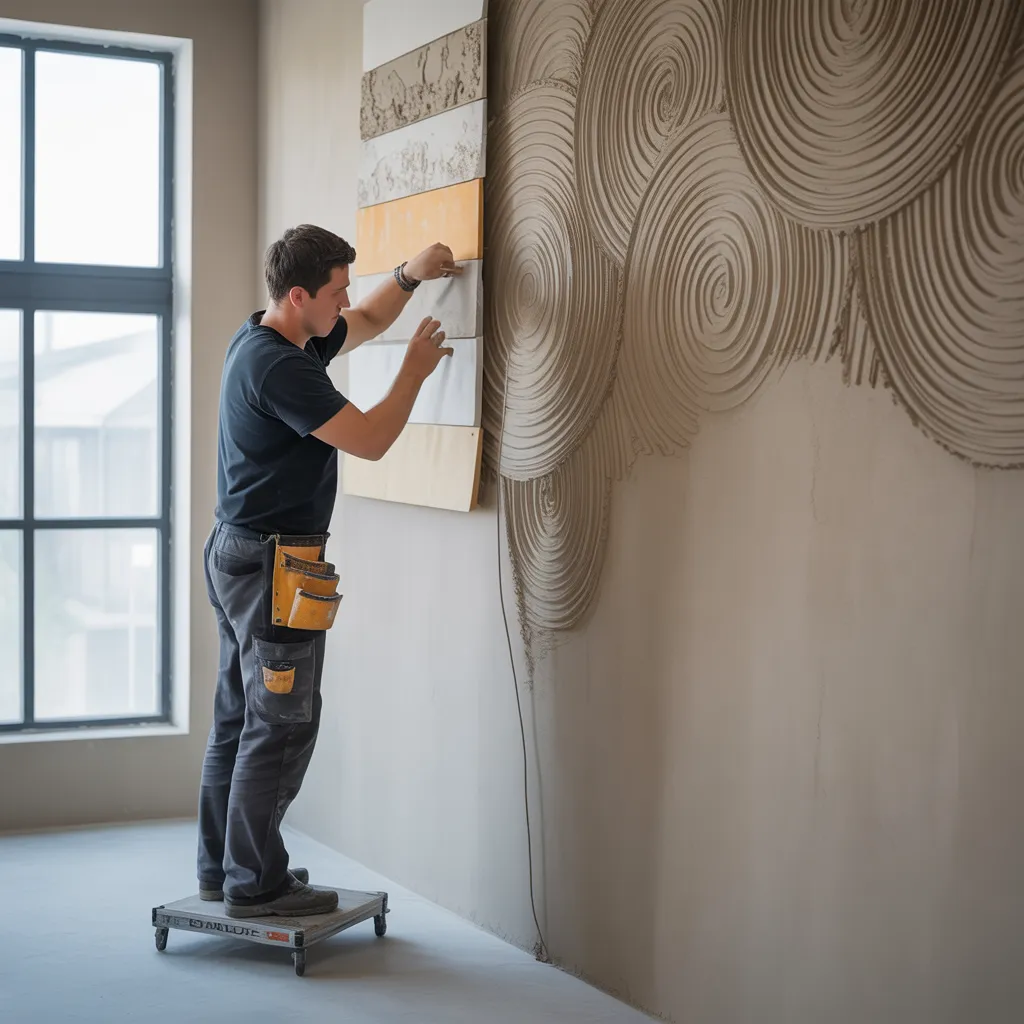
Qualified Plastering Services and How They Are Valuable
When considering home renovations, the significance of expert plaster work cannot be overstated. Quality plastering is vital for obtaining a smooth, aesthetically pleasing finish that improves the general look of a space. Experts bring knowledge and skill to the project, guaranteeing that the plaster is applied correctly and bonds firmly to walls. This reduces the chance of cracks, peeling, or uneven textures that can arise from amateur attempts.
Additionally, experienced plasterers utilize premium materials and equipment, improving the longevity and durability of the surface. They possess understanding of multiple plastering approaches, which enables personalized options that address distinct renovation needs. Opting for expert plaster application not only boosts the aesthetic appeal of a home but also strengthens its market value. In conclusion, retaining skilled workers delivers a degree of skill that self-directed solutions frequently cannot provide, making it an key factor of successful renovation undertakings.
Approaches Expert Plasterers Use to Achieve Excellent Results
Skilled plasterers employ a range of methods to guarantee high-quality results that improve both appearance and longevity. One fundamental method is the application of a consistent and suitable mix of plaster, securing ideal bonding and ease of application. They carefully condition areas, addressing flaws and controlling explanation moisture levels, which is critical for an smooth finish.
Furthermore, experienced plasterers utilize specialized tools, such as trowels and hawks, to apply plaster uniformly. Methods like the "float and set" method enable for better texture and a polished surface. They furthermore implement layering strategies, applying thin coats to avoid cracking and promote even drying.
Attention to detail is paramount; expert plaster workers expertly combine joints and edges, creating seamless shifts. Finally, they may implement finishing techniques, such as sanding or polishing, to achieve a spotless look. Collectively, these techniques ensure results that not only meet but exceed client expectations.
Avoid These Common Plastering Errors
When starting plaster work, steering clear of typical errors is essential for achieving a smooth result. Poor surface preparation can cause attachment difficulties, while improper blend amounts may compromise the plaster's durability. Identifying and resolving these pitfalls can significantly improve the final quality of the work.
Incomplete Base Setup
Proper surface preparation is necessary for achieving a flawless plaster finish. Inadequate treatment can lead to numerous complications, such as poor attachment and uneven surfaces. Professionals highlight the importance of cleaning the surface to remove dust, grease, and old paint. Any imperfections, like cracks or holes, must be repaired to guarantee a smooth base. Additionally, applying a suitable adhesive compound can enhance grip, especially on porous or chalky surfaces. Neglecting these steps often results in peeling, bubbling, or cracking of the plaster, undermining the overall aesthetic. By prioritizing thorough surface treatment, plastering experts can mitigate common pitfalls and guarantee a durable, superior finish that enhances the appearance and longevity of walls and ceilings.
Incorrect Mixing Ratios
Reaching the ideal plastering texture relies on accurate mixing ratios, an essential procedure often overlooked by beginners. Improper proportions of plaster to water can cause numerous issues, such as poor bonding or a surface that breaks and crumbles. For instance, excessive water can weaken the plaster, causing weak finishes that miss durability. Conversely, inadequate water can produce a thick mixture that is difficult to spread and prone to inconsistent drying. Professionals emphasize the significance of following manufacturer guidelines for mixing ratios to guarantee peak performance. By steering clear of these typical blending errors, plasterers can attain a flawless finish that improves both the aesthetic and structural integrity of the surfaces they work on.
5 Suggestions for Determining the Excellent Plastering Company for Your Renovation
When choosing a plastering service for a renovation, it is essential to confirm the qualifications and background of potential contractors. This guarantees that the chosen professional possesses the necessary skills and knowledge for the job. Additionally, obtaining detailed estimates helps homeowners grasp the extent of the project and related expenses, enabling better purchasing choices.
Review Credentials And Experience
In what manner can homeowners confirm they are choosing the ideal plastering service for their renovation? An essential step is to authenticate the credentials and prior experience of potential plasterers. Property owners ought to identify professionals with insurance and licensure, because these credentials represent a dedication to quality and safety. Moreover, reviewing industry certifications may further validate competence in plaster methods.
Experience serves as a important role; a contractor with years in the field is likely to have come across diverse challenges and formulated effective solutions. Homeowners should also search for reviews and testimonials from previous clients to assess satisfaction and reliability. By thoroughly checking credentials and experience, homeowners can make knowledgeable decisions, ultimately leading to a successful renovation.
Request Complete Estimates
Once you have verified credentials and experience, homeowners should prioritize asking for comprehensive estimates from prospective plastering services. This step is crucial in maintaining transparency and understanding of the project's scope. Homeowners should look for estimates that list costs, including materials, labor, and any additional fees. It is prudent to assess at least three estimates to gauge market rates and avoid overpricing. Moreover, homeowners should question about the estimated timeline for completion, as delays can impact renovations substantially. Clear communication during this phase can help clarify expectations and responsibilities. Ultimately, choosing a plastering service based on thoroughly recorded estimates can lead to a smoother renovation experience and boost satisfaction with the finished results.
Long-Term Advantages of Employing Skilled Plasterers
Putting investment into expert plasterers generates important long-term advantages that strengthen both visual quality and robustness. Excellent plaster application not only creates an attractive finish but also bolsters the structural stability of surfaces. Qualified experts recognize the details of multiple plaster options, confirming that the plaster bonds securely and tolerates climatic conditions. This competence minimizes the probability of structural damage, surface issues, and deterioration throughout time, curtailing the demand for costly repairs.
Furthermore, a expertly completed plastering project improves energy performance and thermal control, contributing to potential savings on temperature regulation expenses. The lifespan of the finish means homeowners can benefit from their purchase without frequent repairs or new installations. Additionally, contracting experienced plasterers can add value of a residence, keeping it more desirable to potential buyers. Ultimately, the benefits of professional plastering surpass immediate aesthetics, offering sustained benefits that support the starting expense.
Transforming Your Space: Before and After Plastering copyrightples
Observing the transformation of a space through professional plastering can be truly remarkable. Before plastering, walls often exhibit imperfections, such as cracks, uneven surfaces, and peeling paint, creating an discouraging atmosphere. In contrast, after plastering, these same walls can appear smooth, clean, and beautiful, greatly improving the overall feel of the room.
For copyrightple, a living room that once felt cramped and dated can be rejuvenated with a new plaster surface, allowing light to bounce off its newly polished finishes. In the same way, a bathroom once impacted by water damage can restore its charm with expert plastering, ensuring both visual appeal and lasting quality.
Before and after pictures reveal the effect of proficient plastering on a property's value and appeal. In conclusion, these transformations demonstrate how expert plastering services can breathe new life into any area, giving both elegance and practical use.
Typically Raised Questions
What Duration Should You Anticipate for a Typical Plastering Project?
A common plastering job ordinarily takes around one to three days, contingent on the dimensions and difficulty of the area. Aspects such as setting time and layered applications may also impact the overall duration.
What Varieties of Plaster Are Commonly Applied?
Commonly applied plaster options include gypsum plaster, cement plaster, and lime plaster. Each serves distinct roles; gypsum is valued for interiors, cement ensures longevity for exteriors, while lime gives suppleness and vapor permeability in various applications.
Plastering in Moist Environments: Is It Viable?
Plastering during wet conditions is usually not suggested, as moisture can affect adhesion and drying times. Proper environmental conditions are essential for achieving ideal results, promoting lasting quality and a polished appearance in plaster jobs.
How Do I Care for Freshly Plastered Walls?
To maintain newly plastered walls, ensure adequate air circulation, avoid high humidity levels, and abstain from contacting the walls until completely hardened. Frequently inspect for cracks or imperfections and use a suitable sealer once dry.
Are there eco-friendly plastering options offered?
Indeed, eco-conscious plaster options are available, comprising clay, lime-based plasters, and gypsum options. These elements reduce ecological consequences while supplying sustainable breathability, making them suitable choices for green-minded projects.